
Study in Australia
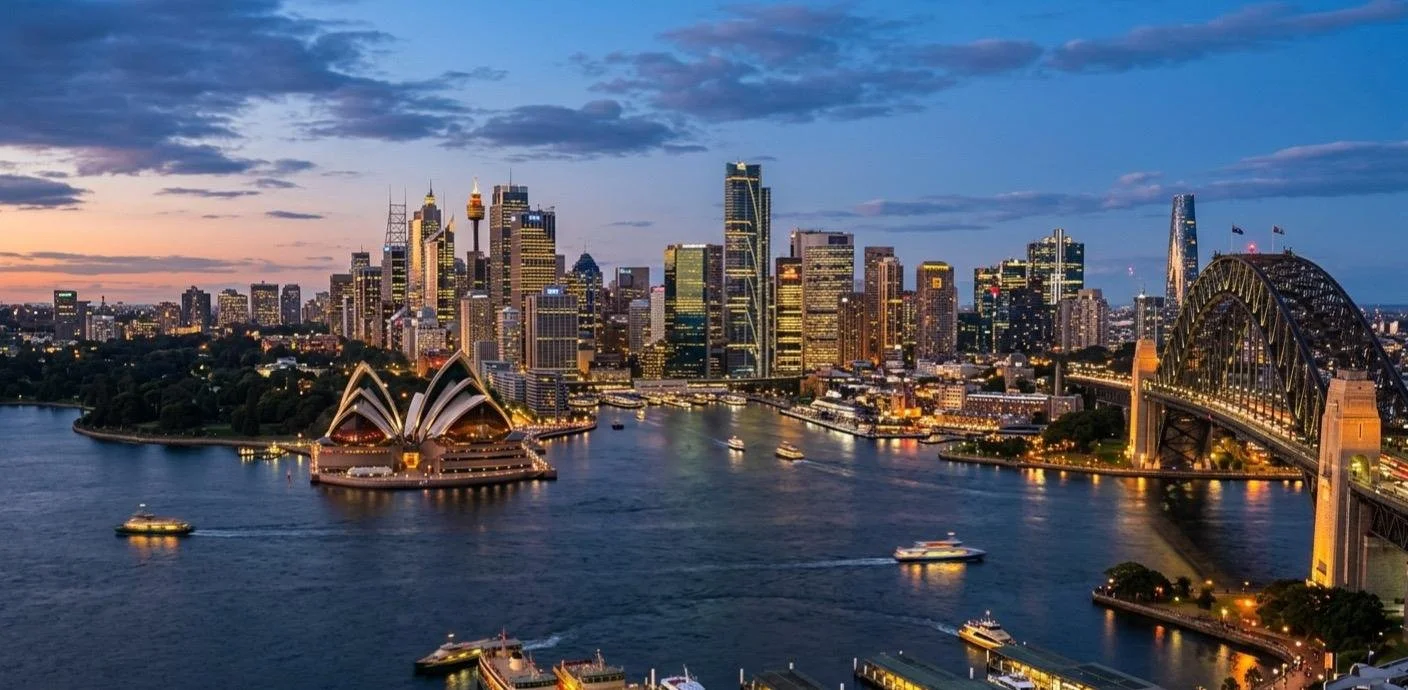
Australia has long captured the imagination of international students — and in 2026, it is cementing its status as one of the world's most compelling destinations for higher education. Beyond the sun-drenched coastlines and iconic wildlife, the country offers a globally respected university system, a booming economy, and one of the most welcoming multicultural societies on earth.
If you are ready to take the next step Down Under, here is everything you need to know to plan your move.
Why Choose Australia?
The 2026 education landscape in Australia is defined by an impressive blend of research excellence, industry integration, and an unmatched quality of life.
World-Class Rankings: Six Australian universities consistently feature in the top 100 globally, with the country as a whole ranking among the top five most popular international student destinations worldwide.
Sun, Space & Lifestyle: Ranked consistently in the top tier for quality of life, Australia offers a laid-back culture that balances academic ambition with outdoor living — beaches, national parks, and vibrant cities all within reach.
Safe & Diverse: Home to students from over 180 countries, Australia is one of the most multicultural nations on earth and is widely regarded as a safe and inclusive environment for newcomers.
Work While You Study: Australia's generous work rights allow international students to support themselves while building real-world experience in one of the Asia-Pacific region's strongest economies.
Top Universities and Their Specialisations
Australia's universities each bring a distinct identity shaped by their city and strengths, making the choice of institution as important as the choice of course.
In Melbourne, the University of Melbourne is widely considered Australia's premier research institution, excelling in Medicine, Law, and the Arts, and consistently ranking in the global top 35. Nearby, Monash University has built a formidable reputation in Pharmacy, Engineering, and Business, with the largest student enrolment of any Australian university and a strong network of international campuses.
In Sydney, the University of Sydney combines heritage prestige with cutting-edge research across Architecture, Health Sciences, and the Humanities, while the University of New South Wales (UNSW) has positioned itself as a leader in Technology, Engineering, and Business — a favourite destination for students targeting careers in Australia's flourishing tech and finance sectors.
Further north, the Australian National University (ANU) in Canberra is the country's only dedicated research university and is ranked #1 in Australia for subjects including Politics, International Relations, and Earth Sciences — its proximity to Parliament and federal agencies creates unparalleled internship and policy pathways. Meanwhile, the University of Queensland in Brisbane is a powerhouse for Life Sciences, Mining Engineering, and Sustainability, leveraging its location as a gateway to the Asia-Pacific to offer students a uniquely outward-looking perspective.
For those drawn to the west, the University of Western Australia in Perth is a member of the prestigious Group of Eight and is particularly renowned for its programs in Marine Science, Agriculture, and Resource Economics — fields that tap directly into the industries that define Western Australia's economy.
2026 Visa & Work Rule Updates
The Australian government has made several significant changes to the student visa framework in 2026, designed to attract and retain international talent.
1. Student Visa (Subclass 500)
The primary pathway for international students remains the Subclass 500 visa. As of 2026, the government has streamlined processing times significantly, with most straightforward applications from eligible countries being assessed within four weeks.
2. Work Rights — 48 Hours Per Fortnight
International students on a Subclass 500 visa may work up to 48 hours per fortnight during term time — restored to pre-pandemic levels following a temporary unlimited work period. Students enrolled in Masters by Research or PhD programs continue to enjoy unlimited work rights throughout their studies.
3. Post-Study Work Visa (Subclass 485)
After completing a qualification from an Australian institution, graduates can apply for the Temporary Graduate visa (Subclass 485). Durations depend on qualification level and location of study:
Bachelor's degree or higher: 2–4 years (longer for regional graduates)
Master's degree: up to 4 years
PhD graduates: up to 4 years, with additional pathways to permanent residence
4. Skills in Demand Visa
Beginning in late 2025, Australia's new Skills in Demand visa has opened accelerated residence pathways for graduates in high-priority sectors — including Nursing, Engineering, Cybersecurity, and Early Childhood Education — making a long-term future in Australia a very real prospect for graduates who target these fields.
Budgeting for Your Move
Australia offers a high standard of living, and it is essential to plan your finances carefully. For a student visa, you are generally required to demonstrate access to at least AUD $29,710 per year for living expenses (excluding tuition) — a figure updated annually by the Department of Home Affairs.
Accommodation: Renting a room in a shared house (the norm for most students) typically costs between AUD $250–$450 per week, depending on the city. Sydney and Melbourne sit at the higher end; Brisbane, Adelaide, and Perth offer more affordable options.
Transport: All major Australian cities have student concession cards offering significant discounts on public transport. The Opal card (Sydney), Myki (Melbourne), and Go card (Brisbane) are your essential companions.
Groceries: Shopping at Aldi or Woolworths' own-brand range, or visiting weekend farmers' markets, can reduce your grocery bill by 20–30% compared to premium supermarkets. Many university campuses also have affordable food halls and student-run co-ops.
Health Cover (OSHC): Overseas Student Health Cover is a mandatory requirement for all international students. Costs vary by provider and plan but budget approximately AUD $600–$900 per year for a single student policy.
Advice for Prospective Students
"Think regionally." Regional Australia — cities like Adelaide, Wollongong, Geelong, and Townsville — offers lower living costs, smaller class sizes, and extended post-study work visas. It is an option far more students should consider.
Quick Checklist
Apply Early: Australian universities typically have two intakes — February and July. Aim to submit your application at least 6–9 months before your intended start date.
Genuine Student Requirement: Your visa application must demonstrate that you are a genuine student. Your Statement of Purpose should clearly connect your chosen course to your long-term career goals — vague applications are frequently rejected.
Health & OSHC: Secure your Overseas Student Health Cover before you arrive. It is a visa condition, not an optional extra.
Sort Your TFN Early: Apply for a Tax File Number (TFN) soon after arriving. You will need it the moment you start working, and employers cannot process your pay correctly without it.
Banking: Open a bank account before you travel if possible — ANZ and CommBank both allow international students to open accounts online from overseas.
Whether you are drawn by the innovation hubs of Sydney, the cultural richness of Melbourne, or the wide horizons of Perth, Australia offers an education — and a life — that is genuinely hard to find anywhere else in the world.
Ready to take the next step?
Get in touch with the Polaris Education team — we would love to help you find your path.
Request a Consultation
Studying abroad is one of the most significant decisions of your life. Let Polaris Education be the guide that makes it clearer, simpler, and more certain.
Book your free counselling session today. No fees. No obligation. Just honest guidance.